The barber pole once kept in the Tatsumi Hijikata & Natsuyuki Nakanishi Memorial Saruhashi Warehouse.
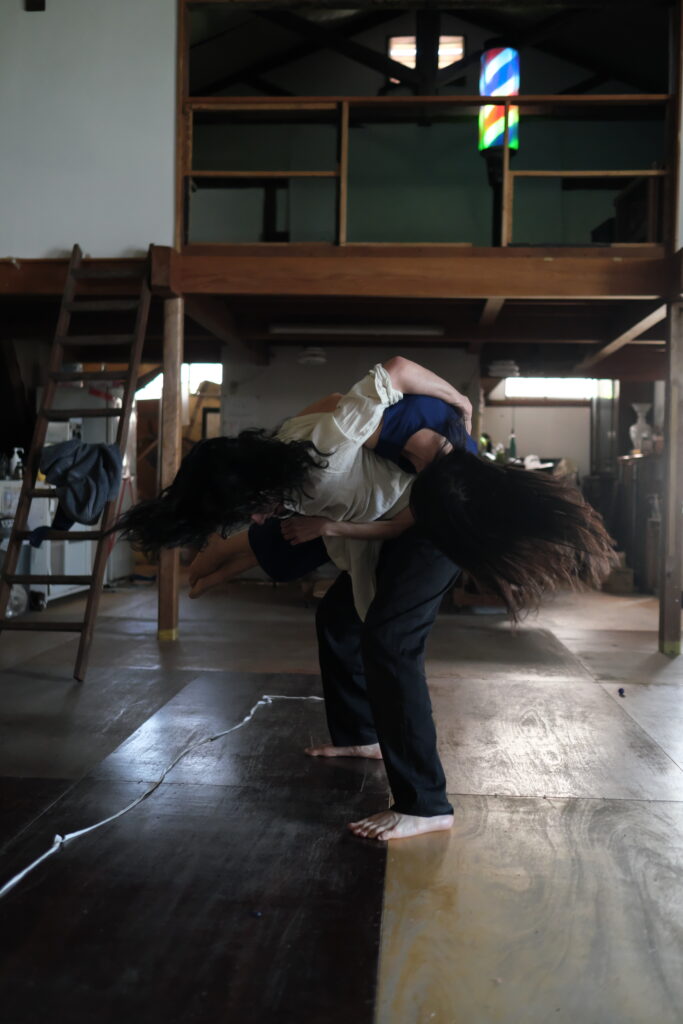
Photo by Rokka
Two bodies in contemplation, swept up in a swirl of white, red, and blue.
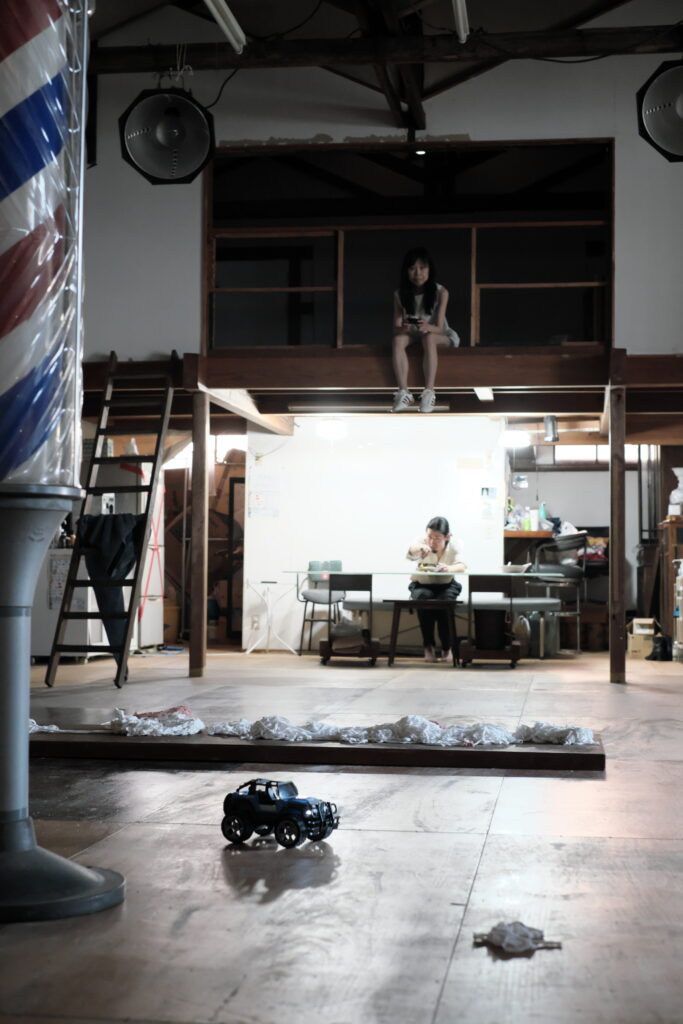
Photo by Rokka
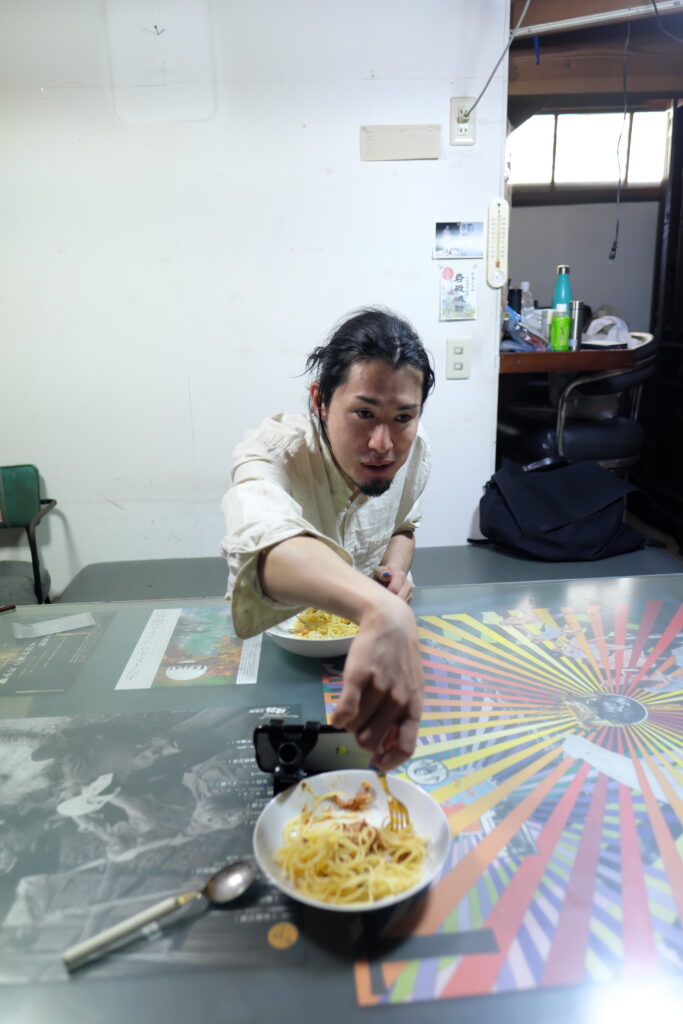
Photo by Rokka
Through the acts of eating and bringing the everyday body to the stage, we confront themes of family and gender while exploring the 'unraveled' body.
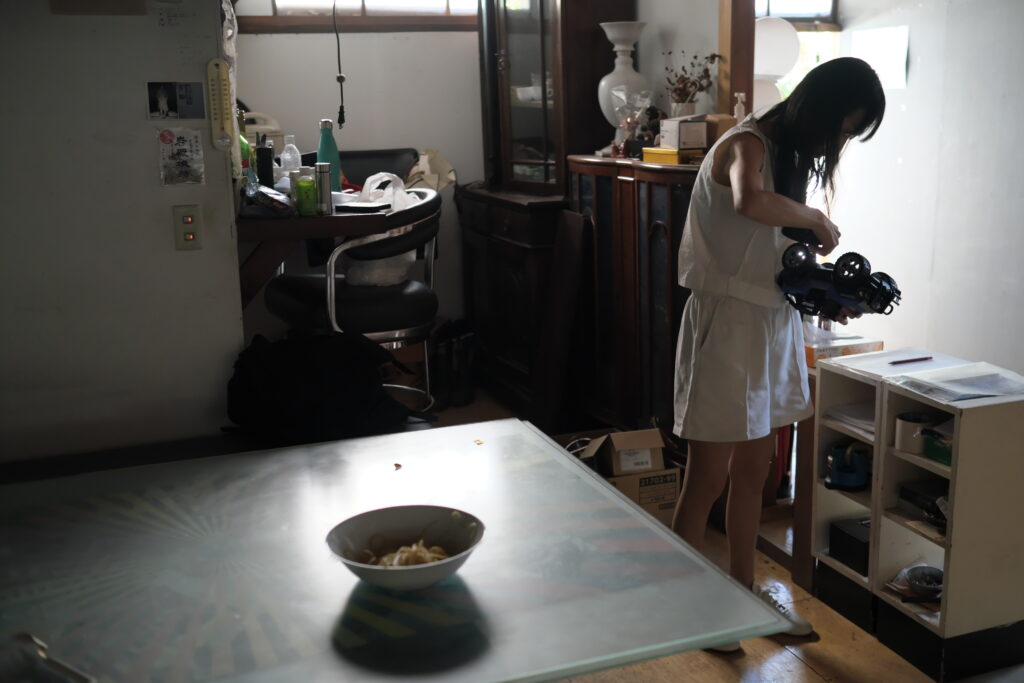
Photo by Rokka
An experimental performance that traces the history of anatomical bodies to question how each gender perceives the physical self.
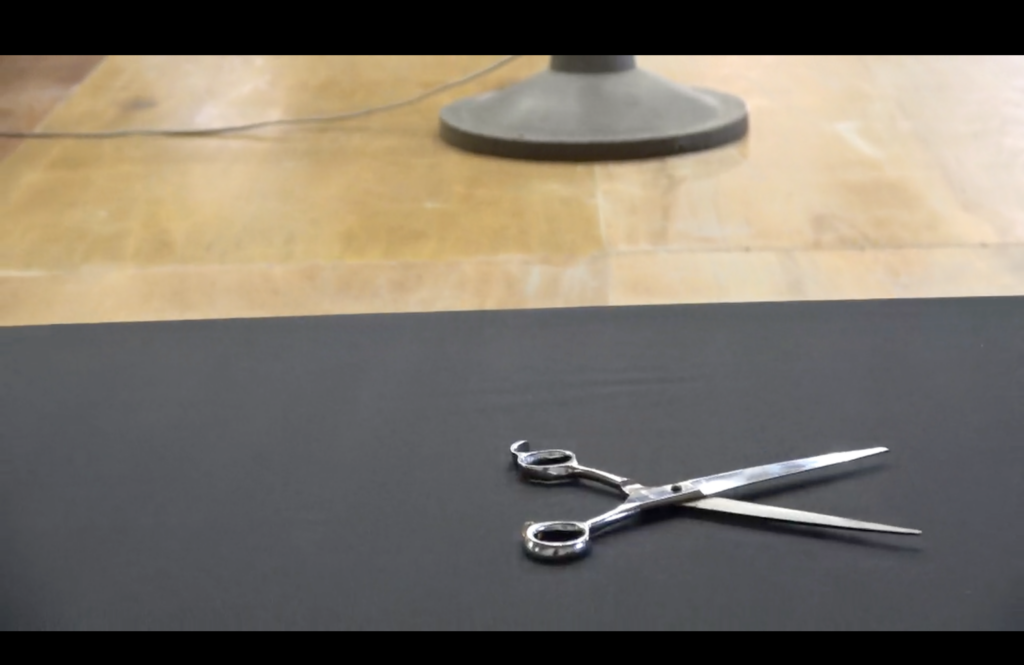
Photo by Koshimizu
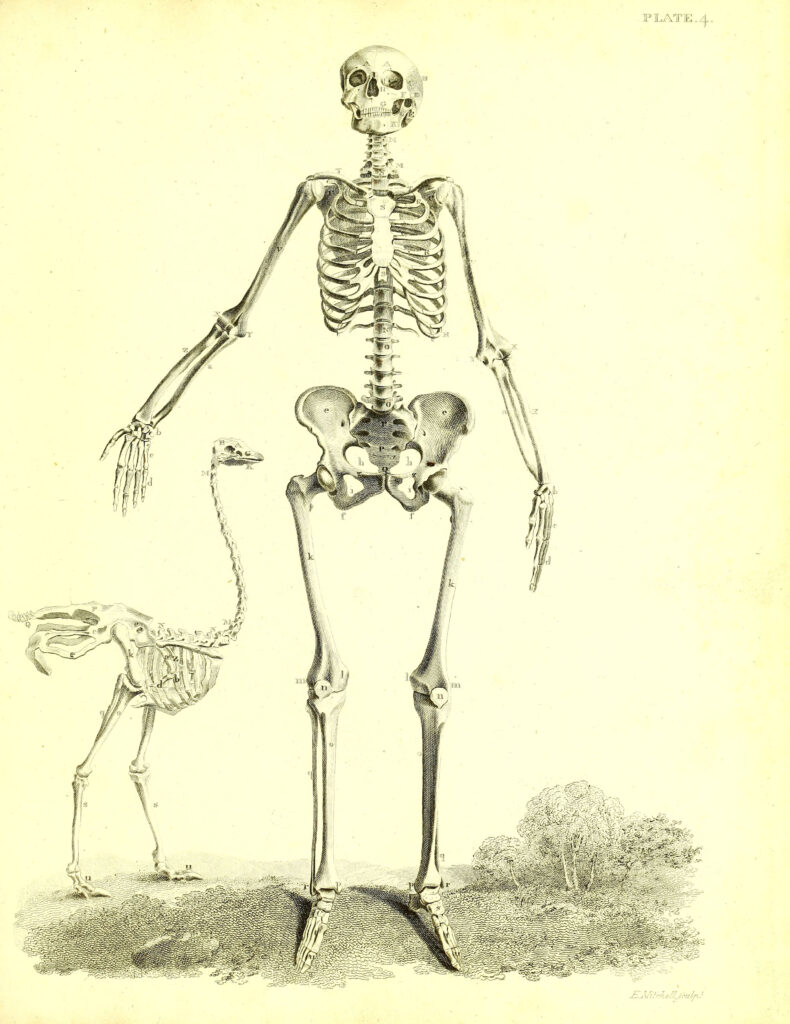
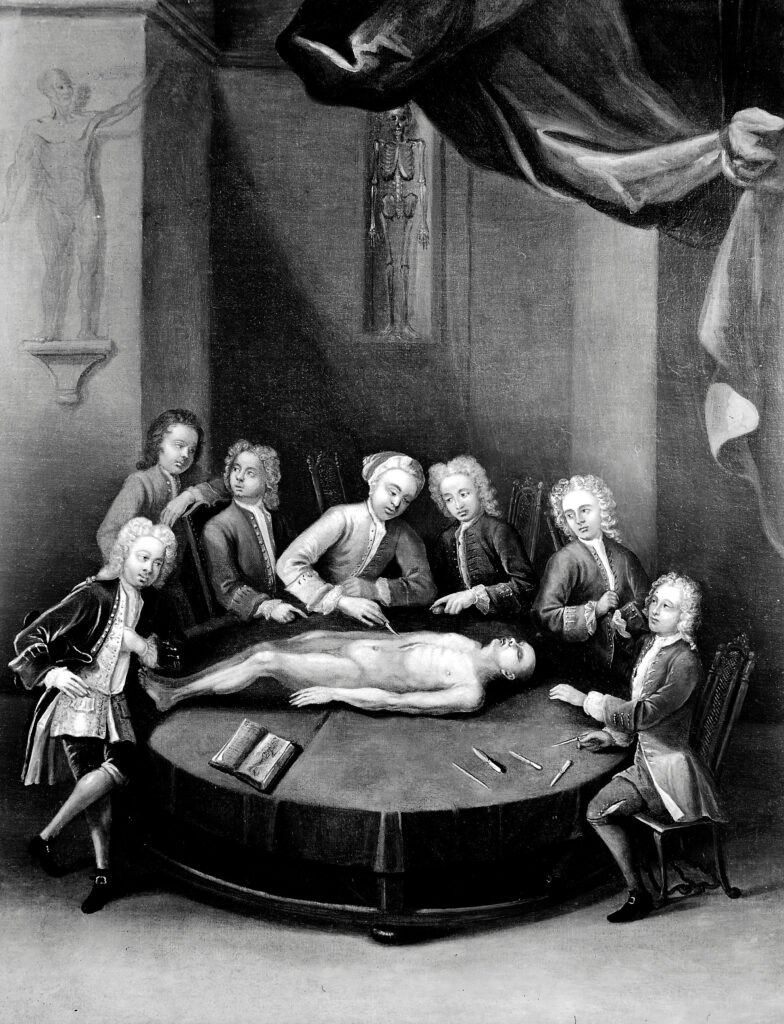
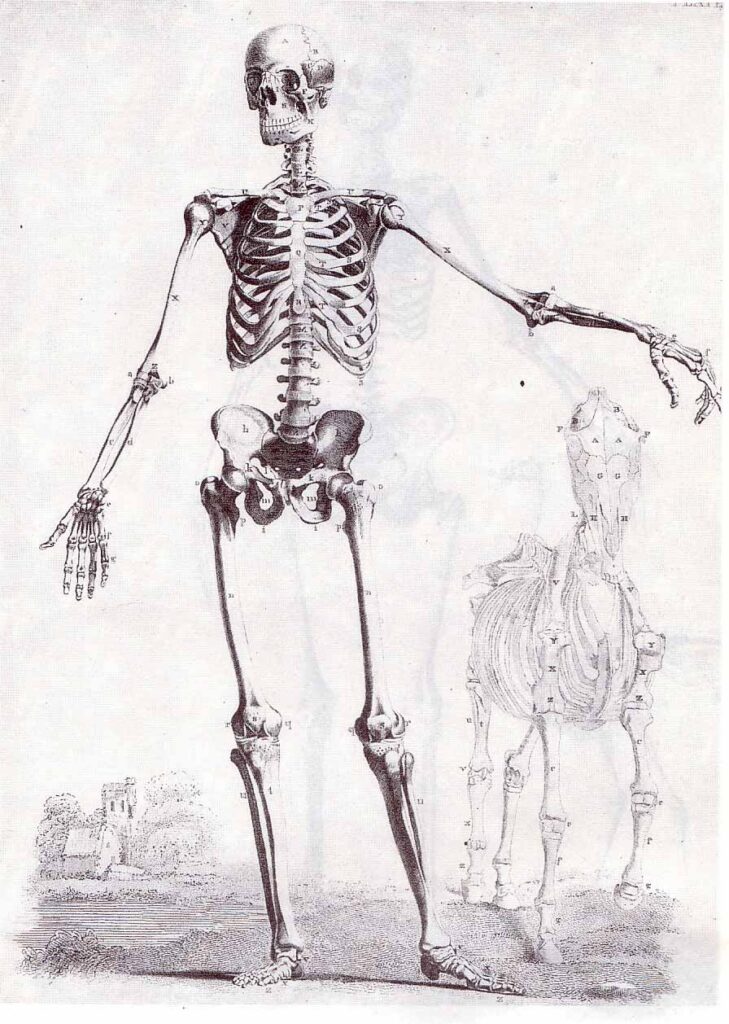
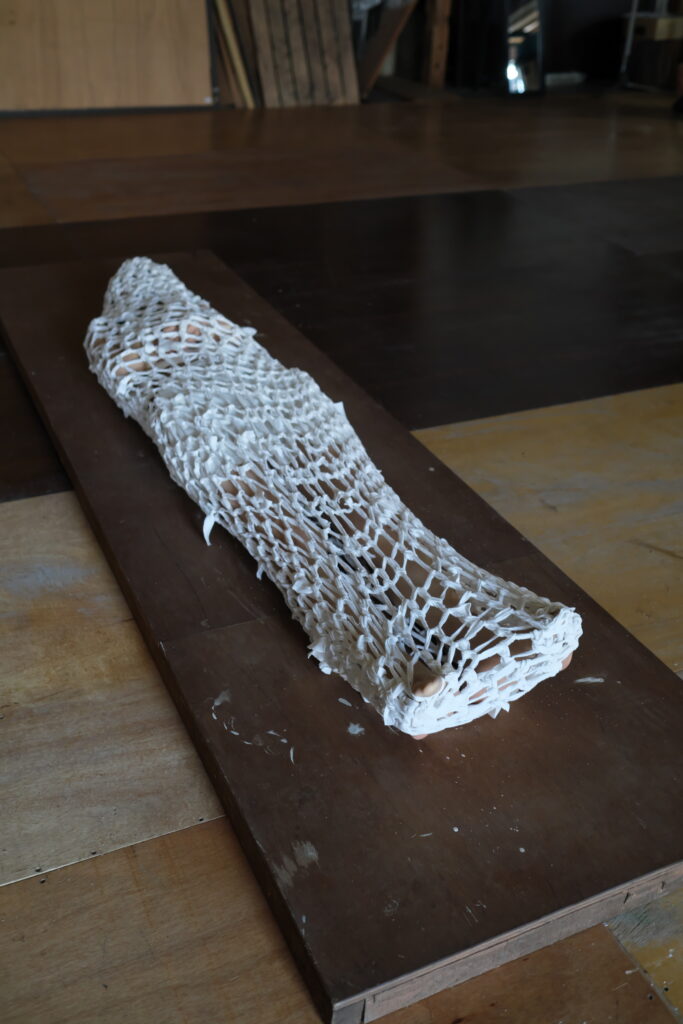
Photo by Rokka
『田中敦子と具体美術協会 金山明および吉原治良との関係から読み解く』加藤 瑞穂 (著) より
"Invoking Judith Butler’s discourse that 'the surface and boundaries of the body play a critical role in gendered subjectivity,' Kunimoto states: 'Her art projected an aura of anxiety shared by many women who faced significant uncertainty regarding what it meant to be a young woman in postwar Japan.' Kunimoto challenges previous scholarship—particularly in the English-speaking world—which has often framed Gutai's works as achievements in establishing postwar Japanese 'individualism.' Instead, she concludes that Electric Dress shows how 'gendered subjectivity is an expression of instability and uncertainty rather than an individualistic statement.' Admittedly, Electric Dress and Stage Clothes are easily associated with femininity, given that they use clothing as a motif and involve the public act of putting them on and taking them off. However, while this may have been the starting point of Tanaka's inspiration, it was not her ultimate destination. Indeed, in 1998, when asked if her art possessed social relevance, Tanaka explicitly stated that her work had nothing to do with 'politics' or 'gender.' Furthermore, examining the studies for the performance in Stage Clothes—where she rapidly changes from one outfit to another—leaves no room for doubt that Tanaka moved in a direction that diluted the implications of femininity in her work. Therefore, the author maintains a cautious stance on decoding Tanaka’s oeuvre through the lens of gender."
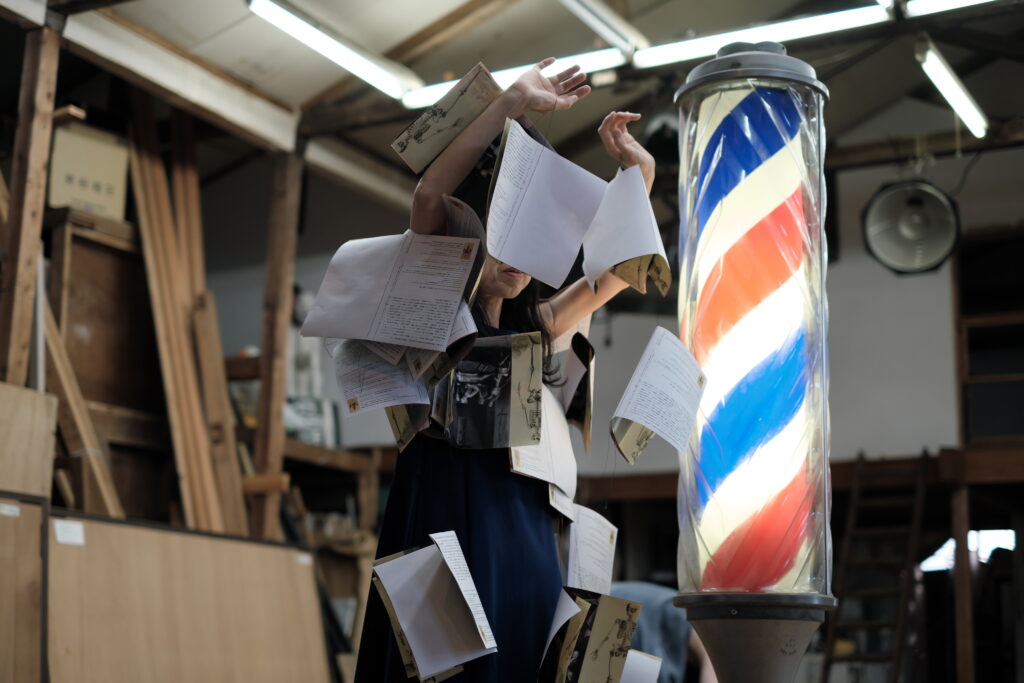
Photo by Rokka